St Ives Community Garden Takes Root: Residents Unite to Cultivate Neighborhood Connections
From Conversation to Action: How Residents Made It Happen
The journey to creating the St Ives community garden began not in a boardroom, but over backyard fences and at neighborhood gatherings. Last fall, a small group of residents who shared a passion for gardening and sustainable living started informal conversations about the possibility of establishing a shared garden space. What started as casual discussions quickly gained momentum as more neighbors expressed interest in the idea.
Sarah Martinez, one of the project's founding organizers, recalls the early days with enthusiasm. "We realized that many of us were trying to grow vegetables in small patio containers or struggling with limited yard space. The idea of pooling our resources and knowledge just made sense," she explains. "But more than that, we saw an opportunity to bring people together around something positive and productive."
The organizing committee, which grew to include twelve dedicated residents, spent several months researching community garden models, surveying neighborhood interest, and identifying potential locations on St Ives property. They conducted door-to-door outreach, hosted informational meetings at the community center, and created detailed proposals outlining the garden's potential benefits, costs, and management structure.
By January, the grassroots effort had gathered impressive support, with over sixty families expressing interest in participating. The organizers had also secured preliminary commitments from local gardening experts willing to volunteer their time for workshops and identified several businesses interested in donating materials and supplies. Armed with this groundswell of community support, they were ready to present their vision to the homeowners association board.
Navigating the Approval Process: Collaboration Between Residents and Leadership
Presenting the community garden proposal to the St Ives homeowners association board represented a crucial step in transforming the vision into reality. The organizing committee prepared a comprehensive presentation that addressed potential concerns, outlined clear governance structures, and demonstrated the project's alignment with the community's values and long-term planning goals.
Board president Michael Chen acknowledges that the proposal initially raised questions about liability, maintenance responsibilities, and long-term sustainability. "Any time you're considering a new community amenity, you have to think carefully about the implications," he notes. "But the organizing committee had done their homework. They came prepared with answers to our questions and had clearly thought through the practical aspects of managing a shared garden space."
The board requested modifications to the initial proposal, including the development of detailed usage guidelines, a maintenance schedule, and a plan for addressing potential conflicts among gardeners. The organizing committee worked collaboratively with board members to refine these elements, incorporating feedback and ensuring that the project would be sustainable and well-managed.
After two months of productive dialogue and refinement, the board unanimously approved the community garden project in late February. The approval included allocation of a 5,000-square-foot area near the eastern property boundary, an initial budget for infrastructure and materials, and authorization to establish a garden committee as an official subcommittee of the homeowners association. Board member Jennifer Thompson emphasized the significance of the decision: "This project exemplifies what makes St Ives special—residents taking initiative to enhance our community in meaningful ways."
Fair and Inclusive: The Plot Allocation System
One of the most critical aspects of establishing the community garden was developing a fair and transparent system for allocating garden plots to interested families. The garden committee worked diligently to create a process that would be equitable, accessible, and responsive to varying levels of gardening experience and family needs.
The approved design divides the garden space into thirty individual plots, each measuring approximately 10 feet by 10 feet, along with several smaller raised bed options for residents with mobility considerations. Additionally, the plan includes communal areas for shared composting, tool storage, and a small gathering space with benches where gardeners can rest and socialize.
The allocation process prioritized inclusivity and community building. Rather than operating on a first-come, first-served basis, the committee implemented a lottery system for the initial plot assignments. All interested St Ives families were invited to submit applications during a two-week period in February, with the lottery drawing held at a community meeting to ensure transparency. The application process was intentionally simple, requiring only basic contact information and a brief statement about the family's interest in participating.
Garden committee member David Park explains the reasoning behind this approach: "We wanted to make sure that everyone had an equal opportunity, regardless of when they heard about the garden or how quickly they could submit an application. The lottery system felt like the fairest way to start." For families not selected in the initial lottery, a waiting list was established, with plots becoming available as they open up due to relocations or other circumstances.
The committee also established clear guidelines for plot usage and maintenance. Each family commits to actively maintaining their plot, participating in at least two community workdays per season, and following organic gardening practices to protect the health of the shared soil and ecosystem. Plot holders pay a modest annual fee of forty-five dollars, which covers water usage, communal supplies, and garden infrastructure maintenance. Recognizing that financial barriers should not prevent participation, the committee created a scholarship fund to assist families who might struggle with the fee.
Growing Knowledge: Spring Workshop Series Planned
Recognizing that successful community gardens thrive on shared knowledge and skill development, the garden committee has organized an ambitious series of sustainable gardening workshops scheduled throughout the spring season. These educational sessions aim to support both novice gardeners taking their first steps into growing food and experienced gardeners looking to expand their sustainable practices.
The workshop series kicks off in mid-March with "Garden Basics: Planning Your Plot for Success," led by local master gardener Rebecca Foster. This introductory session will cover fundamental topics including soil preparation, companion planting strategies, and creating a seasonal planting calendar suited to the local climate. Foster, who has volunteered her expertise enthusiastically, emphasizes the importance of starting with solid foundations: "Many new gardeners get discouraged because they don't understand the basics. We want to set everyone up for success from the beginning."
Subsequent workshops will delve into more specialized topics. April's sessions include "Composting 101: Turning Waste into Garden Gold" and "Water-Wise Gardening: Efficient Irrigation Techniques." May's programming focuses on pest management with "Natural Pest Control: Keeping Your Garden Healthy Without Chemicals" and "Beneficial Insects: Attracting Garden Allies." The committee has also scheduled a special workshop on "Growing Food in Small Spaces" specifically designed for residents using the raised bed plots.
All workshops will be held on Saturday mornings at the garden site, allowing for hands-on demonstrations and immediate application of techniques. The committee has secured donations of materials and supplies for workshop participants, ensuring that cost is not a barrier to learning. Additionally, they're creating a lending library of gardening books and resources that will be housed in the tool shed, available for all community members to borrow.
Workshop coordinator Lisa Nguyen is particularly excited about the intergenerational learning opportunities these sessions will create. "We're encouraging families to attend together," she shares. "There's something special about grandparents, parents, and children learning side by side. These workshops aren't just about growing vegetables—they're about growing connections and passing down valuable skills."
More Than Vegetables: How the Garden Strengthens Neighborhood Connections
While the practical benefits of the community garden—fresh produce, outdoor activity, and sustainable living education—are significant, organizers and participants alike emphasize that the project's greatest value lies in its potential to strengthen the social fabric of the St Ives neighborhood. In an era when many communities struggle with isolation and disconnection, the garden offers a tangible space for meaningful interaction and relationship building.
The garden's design intentionally incorporates features that encourage social interaction. The central gathering area, complete with benches and a small pergola, provides a comfortable space for gardeners to rest, chat, and share advice. The communal composting area and tool shed create natural opportunities for neighbors to work together and help one another. Monthly potluck dinners featuring garden-grown produce are already being planned for the summer season, promising to become cherished community traditions.
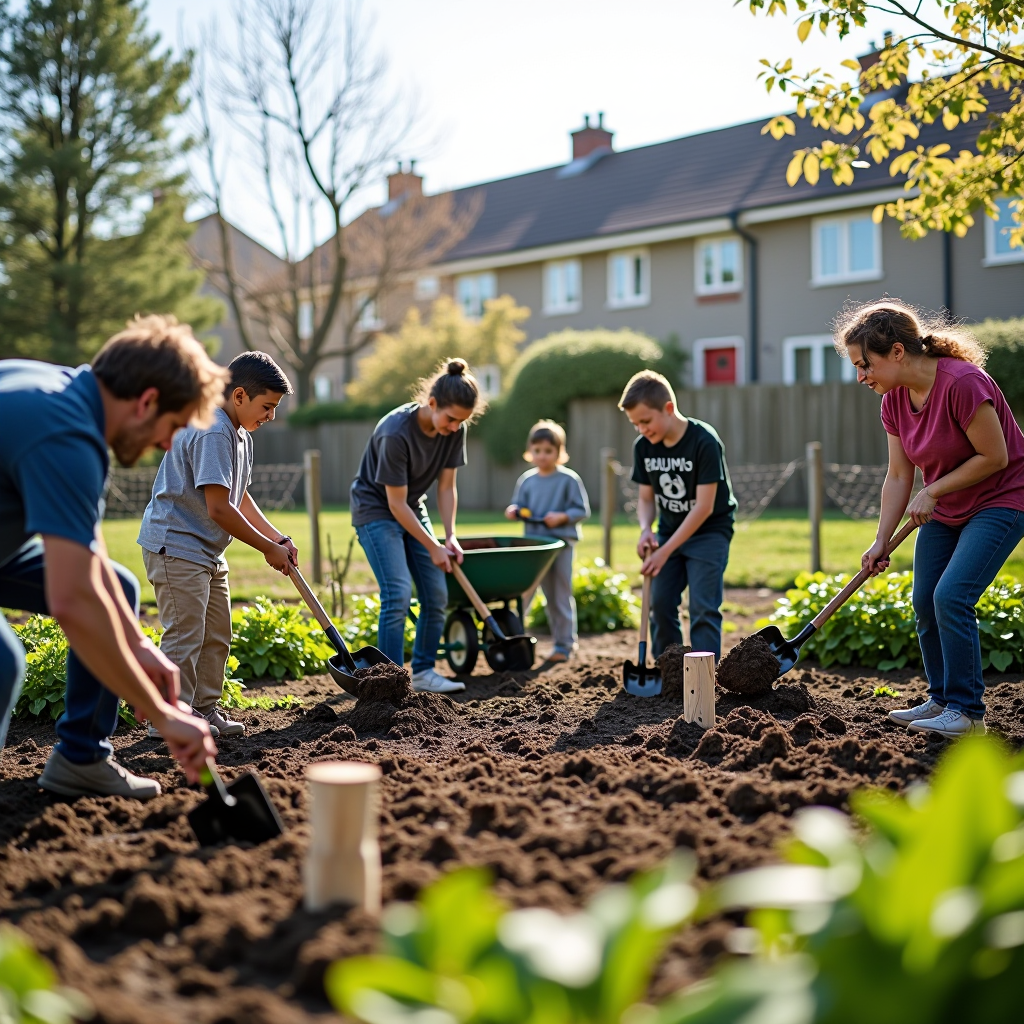
First-time gardener Amanda Rodriguez, whose family was selected in the initial lottery, speaks to the social benefits she's already experiencing: "I've lived in St Ives for three years, but I've met more neighbors in the past month of garden preparation than in all that time combined. There's something about working side by side in the soil that breaks down barriers. We're not just growing tomatoes—we're growing friendships."
The garden also creates opportunities for knowledge exchange that transcends age and background. Retired engineer Tom Wilson, who has gardened for forty years, finds himself learning new techniques from younger participants familiar with modern sustainable practices, while simultaneously sharing his decades of experience with novice gardeners. "It's a beautiful exchange," he reflects. "Everyone has something to teach and something to learn."
For families with children, the garden offers particularly valuable opportunities for outdoor education and family bonding. Parent Jessica Kim notes that her two children, ages seven and nine, have become enthusiastically involved in planning their family's plot. "They're learning about where food comes from, developing patience as they wait for seeds to sprout, and taking pride in contributing to our family's meals. But beyond that, they're building relationships with other kids and adults in the neighborhood. It's creating a village atmosphere that's increasingly rare."
The garden committee has also recognized the project's potential to support residents facing various challenges. They've established a "sharing table" where gardeners can leave excess produce for neighbors who may be experiencing food insecurity or simply want to try vegetables they're not growing themselves. This simple feature embodies the spirit of generosity and mutual support that the garden aims to cultivate alongside its crops.
Looking Ahead: A Growing Future
As the St Ives community garden enters its inaugural growing season, there's palpable excitement about what the future holds. The organizing committee is already discussing potential expansions and enhancements, including the possibility of adding fruit trees along the garden's perimeter, installing a rainwater collection system for irrigation, and creating a children's garden area with kid-friendly plants and activities.
The success of this project demonstrates what's possible when residents take initiative, leadership listens and supports community-driven ideas, and neighbors come together around shared values. The garden stands as a living testament to the power of grassroots organizing and collaborative problem-solving.
As spring approaches and the first seeds go into the ground, the St Ives community garden represents more than just a place to grow vegetables. It's a space where community governance and resident engagement flourish, where sustainable practices take root, and where the connections between neighbors deepen with each shared harvest. In cultivating this garden, St Ives residents are cultivating the very essence of what makes a neighborhood a true community—and that may be the most valuable crop of all.
Get Involved
Interested in joining the St Ives community garden or learning more about upcoming workshops? Contact the garden committee through the homeowners association office or attend the next community meeting to add your name to the waiting list.
Together, we're growing more than gardens—we're growing community.