Published on January 15, 2025
New Landscaping and Maintenance Standards Approved for St Ives Common Areas
Following extensive community consultation, the St Ives Homeowners Association has approved comprehensive new landscaping and maintenance standards designed to enhance our community's beauty while promoting water conservation and sustainable practices.
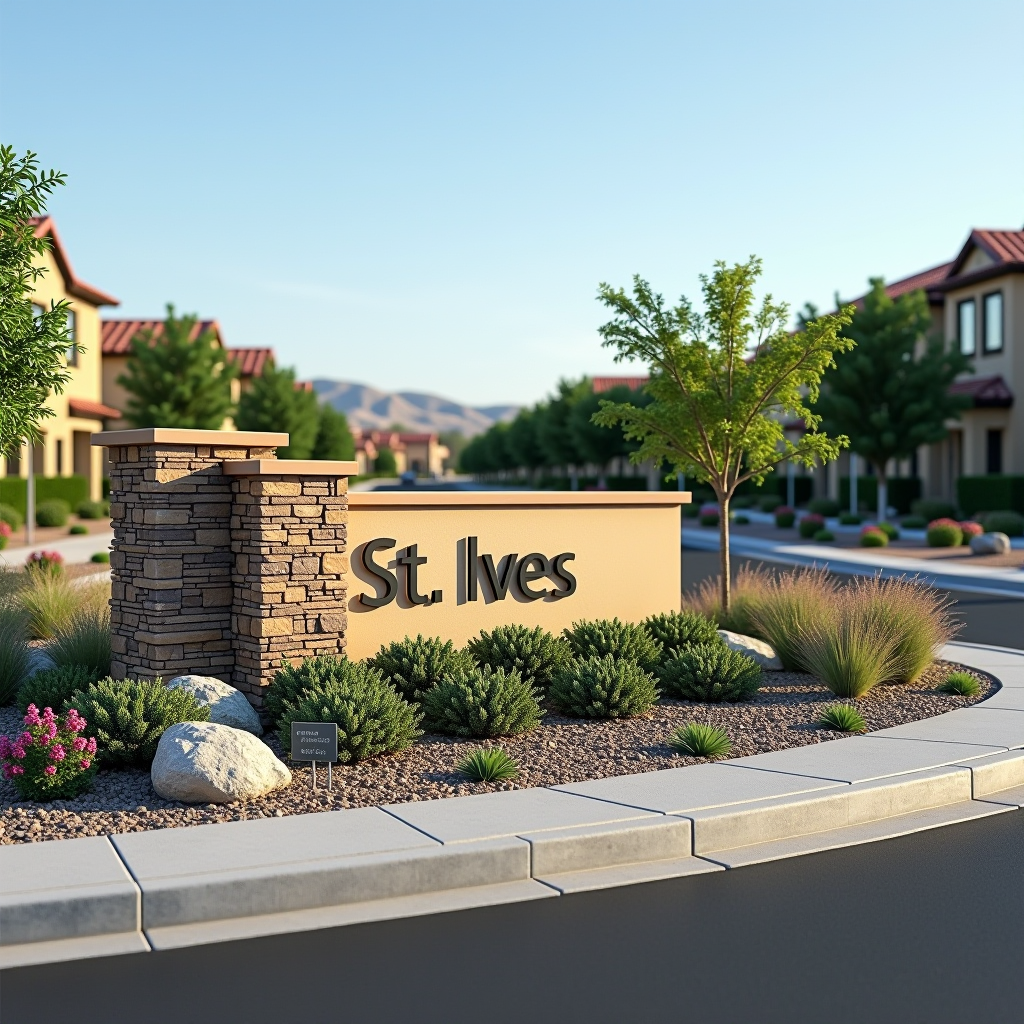
The newly renovated entrance showcases our commitment to sustainable, water-efficient landscaping
Key Takeaway: The new standards will reduce water consumption by approximately 35% while maintaining the aesthetic appeal of our community spaces. Implementation begins March 2025 with minimal impact on HOA fees.
Community Consultation Process: Your Voice Shaped These Changes
The journey to these new standards began in August 2024 when the Board of Directors recognized the need to address rising water costs and maintenance challenges while preserving the character that makes St Ives special. What followed was one of the most comprehensive community engagement processes in our association's history.
Over a six-month period, the Landscaping Committee conducted four town hall meetings, distributed three detailed surveys to all 847 households, and held weekly office hours for individual consultations. The response was remarkable: 623 households participated in at least one survey, representing a 73% engagement rate that far exceeded our expectations.
The consultation revealed clear priorities among residents. Water conservation ranked as the top concern for 68% of respondents, followed closely by maintaining property values (61%) and reducing long-term maintenance costs (54%). Interestingly, 82% of residents expressed willingness to accept changes in plant varieties if it meant significant water savings, demonstrating our community's commitment to environmental stewardship.
The committee also organized three guided walking tours of neighboring communities that had successfully implemented water-efficient landscaping. These tours, attended by over 150 residents, provided valuable insights and helped build consensus around the proposed changes. Many participants noted that well-designed drought-tolerant landscapes could be just as attractive, if not more so, than traditional high-water plantings.
Water-Efficient Plant Selections: Beauty Meets Sustainability
The heart of the new standards lies in a carefully curated palette of water-efficient plants selected specifically for our climate zone and soil conditions. Working with landscape architects and local horticulturists, the committee identified 47 plant species that meet strict criteria for water efficiency, aesthetic appeal, and low maintenance requirements.
Foundation Plantings and Shrubs
The approved plant list features native and adapted species that thrive with minimal irrigation once established. Texas Sage (Leucophyllum frutescens) will serve as a primary foundation shrub, offering silvery foliage and seasonal purple blooms while requiring water only during extreme drought. Dwarf Yaupon Holly provides year-round green structure with minimal water needs and attractive red berries that support local bird populations.
For textural interest, the standards incorporate several ornamental grasses including Mexican Feathergrass and Gulf Muhly, both of which create stunning visual effects with their flowing forms and seasonal color changes. These grasses require virtually no supplemental water after their first growing season and provide movement and sound that enhance the sensory experience of our common areas.
Flowering Perennials and Accent Plants
Color and seasonal interest come from a selection of drought-tolerant perennials that bloom at different times throughout the year. Autumn Sage (Salvia greggii) provides continuous blooms from spring through fall in shades of red, pink, and coral, attracting hummingbirds and butterflies while using a fraction of the water required by traditional annuals.
Blackfoot Daisy creates cheerful white flowers nearly year-round and spreads to form attractive groundcover that suppresses weeds and reduces the need for mulch replacement. For dramatic focal points, the standards include Desert Willow trees, which produce orchid-like flowers and create dappled shade while consuming minimal water.
Groundcovers and Turf Alternatives
Perhaps the most significant change involves reducing traditional turf grass in favor of more sustainable alternatives. While high-traffic areas will retain improved Bermuda grass varieties that require less water, many common areas will transition to Buffalo grass, a native species that needs 75% less water than traditional turf and remains green with minimal irrigation.
In areas where foot traffic is minimal, the standards allow for decorative rock mulch interspersed with low-growing groundcovers like Trailing Lantana and Damianita. These combinations create visual interest while virtually eliminating irrigation needs and reducing maintenance labor significantly.
Revised Maintenance Schedule: Smarter, Not Harder
The new standards introduce a fundamentally different approach to landscape maintenance, shifting from intensive weekly interventions to a more strategic seasonal program that works with natural plant cycles rather than against them.
Irrigation Management
The most dramatic change involves irrigation scheduling. Under the old system, common areas received water three times weekly year-round, consuming approximately 2.8 million gallons annually. The new standards implement a dynamic watering schedule that adjusts based on rainfall, temperature, and seasonal plant needs.
During the establishment phase (first 12-18 months after planting), new landscapes will receive targeted deep watering twice weekly. Once established, most areas will transition to once-weekly watering during growing season and bi-weekly during dormant periods. Smart irrigation controllers with weather sensors will automatically adjust schedules, potentially reducing water use by up to 40% compared to fixed schedules.
Pruning and Trimming Protocols
The new standards embrace a more naturalistic approach to plant maintenance. Rather than frequent shearing that stresses plants and creates excessive green waste, the revised schedule calls for strategic pruning three times annually: spring shaping after frost danger passes, summer deadheading to encourage continued blooming, and fall cleanup to prepare for winter.
This approach allows plants to develop their natural forms, which many landscape professionals argue is more aesthetically pleasing than the rigid geometric shapes common in traditional maintenance. It also reduces labor costs and allows maintenance crews to focus on quality over quantity of interventions.
Seasonal Enhancement Program
While reducing overall maintenance intensity, the new standards actually increase attention to seasonal color and interest. Four times annually, maintenance crews will refresh key focal points with seasonal plantings, add fresh mulch to high-visibility areas, and perform detailed cleanup of common spaces.
This concentrated effort ensures that our community always looks its best during peak seasons while avoiding the constant churn of weekly maintenance that often creates more disruption than improvement. Residents can expect enhanced appearance during spring blooming season, summer gathering months, fall color display, and winter holiday periods.
Financial Impact: Long-Term Savings with Minimal Fee Increases
One of the most common questions during the consultation process concerned the financial implications of these changes. The Board is pleased to report that the new standards will actually reduce long-term costs while requiring only a modest initial investment.
Implementation Costs and Timeline
The transition to new landscaping will occur in phases over 18 months, beginning March 2025. Phase One focuses on entrance areas and main boulevards, Phase Two addresses neighborhood common spaces, and Phase Three completes the transition in remaining areas. This phased approach spreads costs over multiple budget cycles and allows the community to see results before full implementation.
Total implementation costs are projected at $287,000, which includes plant materials, irrigation system upgrades, soil preparation, and initial establishment care. To fund this investment, the Board has approved a temporary landscape improvement assessment of $28 per household monthly for 12 months, beginning April 2025. This represents a 7% increase over current HOA fees but is temporary and will sunset once implementation is complete.
Ongoing Savings and Benefits
Once fully implemented, the new standards are projected to reduce annual landscape maintenance costs by approximately $52,000, or 18% compared to current spending. Water costs alone should decrease by $31,000 annually based on the 35% reduction in consumption. Additional savings come from reduced labor needs, lower plant replacement costs, and decreased fertilizer and pesticide applications.
These savings will allow the Board to maintain stable HOA fees in future years while potentially funding other community improvements. The financial analysis projects that the initial investment will be fully recovered through operational savings within 5.5 years, after which the community will enjoy ongoing cost reductions indefinitely.
Property Value Considerations
Independent analysis by a local real estate appraiser suggests that well-maintained, water-efficient landscaping actually enhances property values compared to traditional high-maintenance landscapes. Communities with sustainable landscaping practices are increasingly attractive to environmentally conscious buyers, particularly younger families who represent a growing segment of the housing market.
The appraiser's report indicates that the improvements could add 1-2% to property values over time, representing approximately $3,500-$7,000 for the median home in St Ives. This potential appreciation far exceeds the temporary assessment cost and provides additional financial justification for the investment.
Implementation Timeline and What to Expect
Understanding that change can be disruptive, the Board has developed a detailed implementation plan designed to minimize inconvenience while keeping residents informed throughout the process.
Phase One: March - June 2025
Work begins at the main entrance and along St Ives Boulevard, our community's primary thoroughfare. Residents should expect to see construction equipment and temporary irrigation disruptions during this phase. The contractor will work primarily during weekday business hours to minimize noise impact on residents. Completion is scheduled for late June, allowing new plantings to establish during the summer growing season.
Phase Two: July - November 2025
Neighborhood common areas receive attention during this phase, including pocket parks, walking trail landscaping, and neighborhood entrance monuments. Work will proceed one neighborhood at a time, with residents receiving two weeks' advance notice before work begins in their area. Each neighborhood section should take approximately three weeks to complete.
Phase Three: January - August 2026
The final phase addresses remaining common areas and completes any necessary adjustments based on lessons learned during earlier phases. This phase also includes installation of educational signage identifying plant species and explaining the water-efficient landscaping approach, helping residents understand and appreciate the changes.
Throughout all phases, the Landscaping Committee will maintain a dedicated webpage with weekly photo updates, progress reports, and answers to frequently asked questions. Monthly community meetings will provide opportunities for residents to see progress firsthand and ask questions of the project manager and landscape architect.
Looking Forward: A Sustainable Future for St Ives
The approval of these new landscaping and maintenance standards represents more than just a change in plant varieties or watering schedules. It reflects our community's commitment to environmental stewardship, fiscal responsibility, and thoughtful planning for the future.
As climate patterns continue to evolve and water resources become increasingly precious, St Ives is positioning itself as a leader in sustainable community management. The knowledge and experience gained through this transition will inform future decisions and demonstrate that environmental responsibility and aesthetic excellence are not competing goals but complementary values.
The Board extends sincere gratitude to the hundreds of residents who participated in the consultation process, the Landscaping Committee members who volunteered countless hours to develop these standards, and the professional consultants who provided expert guidance. This truly was a community effort, and the results will benefit St Ives for decades to come.
Residents with questions about the new standards or implementation timeline are encouraged to contact the HOA office or attend the monthly Board meetings. Additional resources, including the complete plant list, maintenance schedule, and financial analysis, are available on the community website.
Key Dates to Remember
- March 2025: Phase One implementation begins
- April 2025: Temporary landscape assessment begins
- July 2025: Phase Two neighborhood work starts
- January 2026: Phase Three final implementation
- August 2026: Project completion and celebration event